

Decarbonising the future of diverse industries.
Helvoil powers industries sustainably, helping Switzerland’s businesses decarbonise without disruption.
Industry challenge
- Railway
- Most rail networks are electrified; where full electrification is constrained by high infrastructure costs, long construction timelines and geographic limitations, fossil fuels are still in use. Operators are expected to reduce emissions without replacing existing diesel fleets, creating the need for renewable fuels.
- Construction
- Construction sites require high‑torque machinery, long operating hours, and constant mobility, making electrification difficult. As projects face rising sustainability requirements, the industry needs low‑carbon fuels that maintain performance and uptime.
- Agriculture, forestry & fisheries
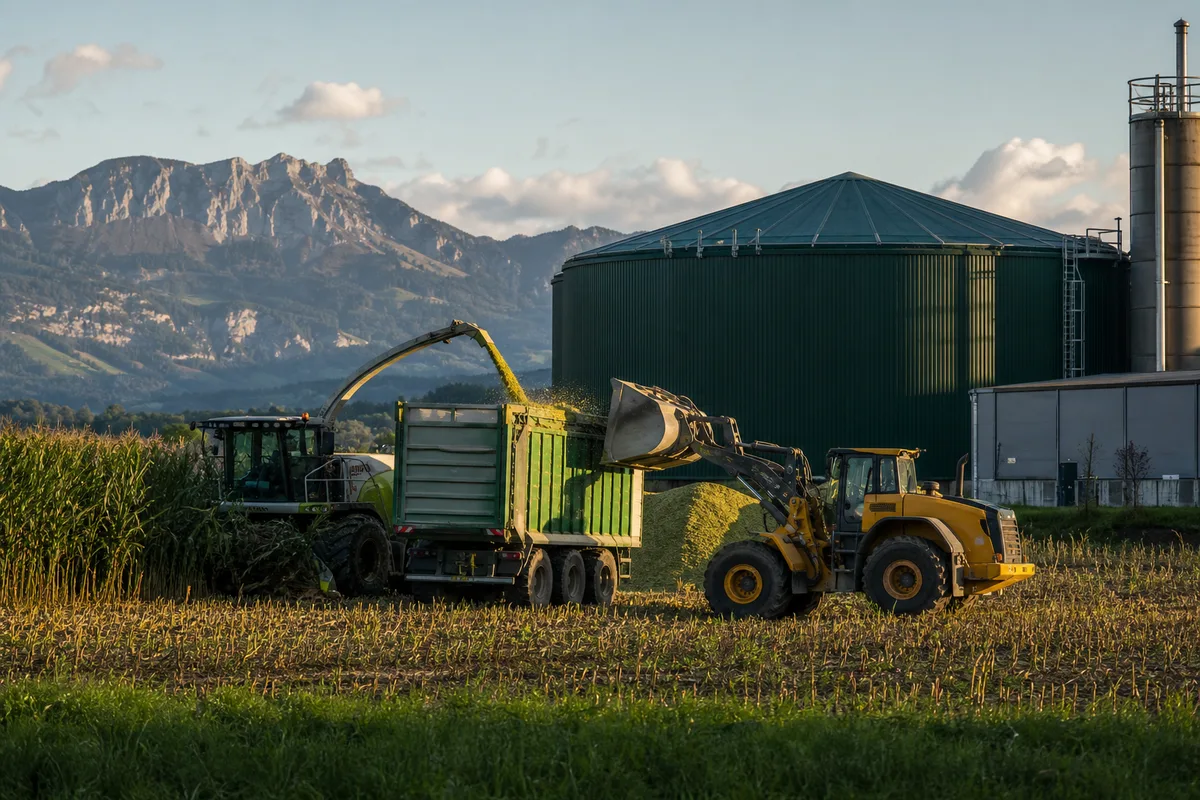
- These sectors operate in remote, decentralized areas where stable electricity or charging infrastructure can be limited. Equipment lifecycles are long, making fleet renewal slow. Renewable drop‑in fuels offer the most practical short‑ to mid‑term pathway.
- Backup power & generators
- Backup systems for factories, data centers, hospitals, and events must provide instant start‑up and long‑term storage stability. High‑quality renewable fuels reduce emissions while maintaining dependable standby performance.
- Public & infrastructure vehicles
- Municipal fleets such as waste collection trucks, snowplows, and emergency vehicles operate under harsh weather and time‑critical conditions. Renewable diesel enables emission reduction without disrupting fleet availability.
- Boilers & heating
- In areas without natural gas or district heating, diesel‑based heating remains in use. Renewable liquid fuels provide a practical interim solution while long‑term heating alternatives continue to develop.
- Chemical industry
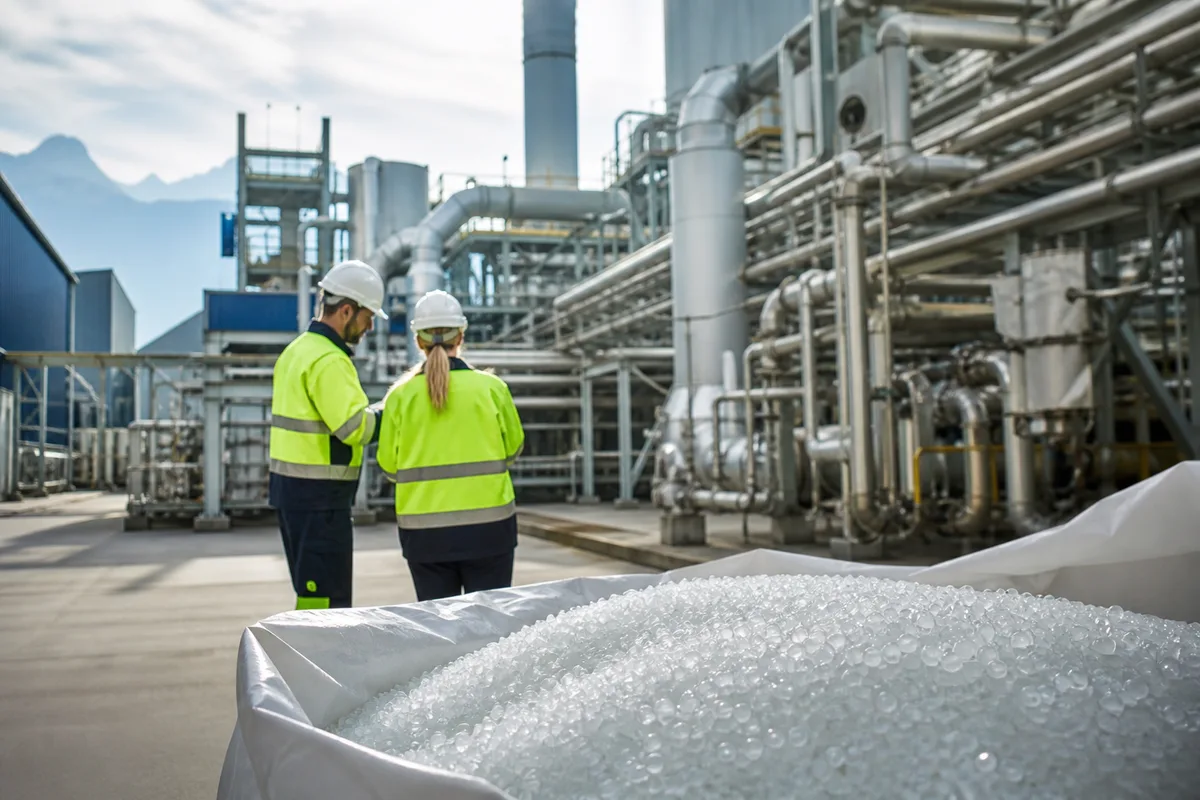
- Bionaphtha is a renewable raw material for crackers producing ethylene and propylene. The plastics industry is continuously searching for ways to produce sustainable plastic, and Bionaphtha can be part of the solution.
Our solution
Drop‑in fuels, ready today.
Helvoil produces immediately deployable HVO across diverse industries, with no new technology or infrastructure required. Helvoil also produces Bionaphtha, a drop-in, lower-carbon feedstock for the chemical and petrochemical industry.
Technology & feedstock
HVO and Bionaphtha are produced using hydroprocessing, in which non‑edible waste such as used cooking oils is reacted with hydrogen under high temperatures and pressures. HVO serves as a drop‑in diesel substitute, cutting lifecycle CO₂ emissions by up to 85% while remaining fully engine‑compatible.
Applications
Where it works.
- 01
Railway
- 02
Construction
- 03
Agriculture, forestry & fisheries
- 04
Backup power & generators
- 05
Public & infrastructure vehicles
- 06
Boilers & heating
- 07
Chemical industry & plastics
Major regulations
- Climate and Innovation Act (KlG)
- Third CO₂ Act (2025–30)
- CO₂ Ordinance
Key benefits
- Up to 85% lifecycle CO₂ emissions reduction compared to fossil fuel
- Compatible with existing infrastructure
- Certified under ISCC standards
- Reliable local production and transparent traceability
Quality & certification
Verified end to end.
All HVO produced by Helvoil meets EN 15940, with ISCC certification and full batch traceability.
Q & A